
Welcome to NSBE
Welcome to the official website of the National Society of Black Engineers of South Africa.
What We Do

Our Vision
To ensure full participation of black engineers in the mainstream economy, wealth creation and distribution in South Africa

National Executive Team
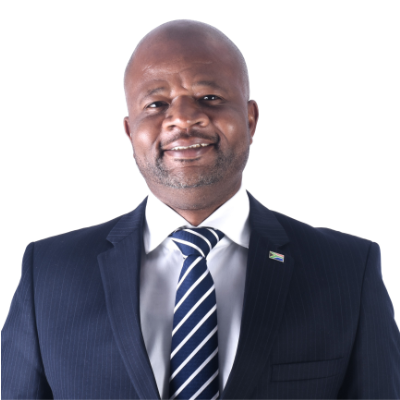
Mduduzi Mlaba
President
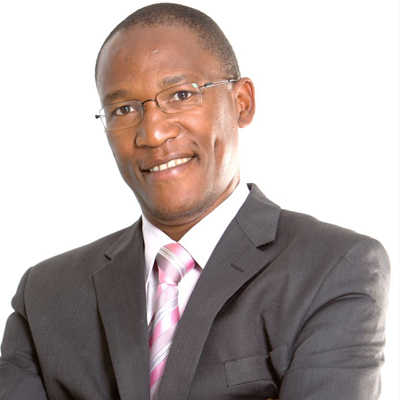
Lwazi Goqwana
Deputy President

Thato Selebogo
Treasurer

Amanda Makhubele
General Secretary
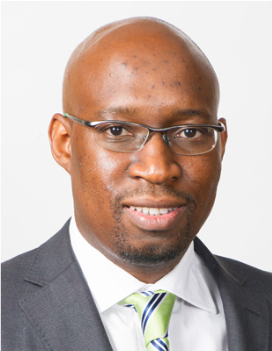
Tumi Tsello
Head of NSBE Business Forum


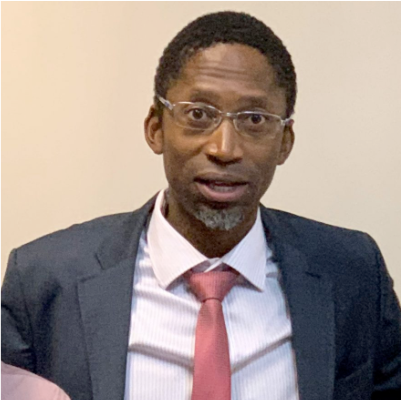
Lungi Maminza
Gauteng Chairperson

Chrizelle Isaacs
Western Cape Chairperson

Khulani Msane
KZN Chairperson

Bongumusa Thusi
Mpumalanga Chairperson
Latest News
Beyond the Blueprint: Mteto Nyati on Culture, Tough Love, and Engineering Leadership at Eskom
https://www.youtube.com/watch?v=1n56WpBjix4 In a recent candid conversation on Money Web TV, Mteto Nyati, Chairman of Eskom…
NSBE AGM 2025: Can South Africa Achieve Its 2050 Net Zero Carbon Emissions Goal Whilst Pursuing Industrialisation to Grow the Economy and Create Jobs?
The National Society of Black Engineers South Africa presents its 2025 Annual General Meeting, featuring…

NSBE Hosts ECSA Professional Registration Masterclass in Midrand
Exciting news from the NSBE community! On September 6, 2025, we hosted an ECSA Professional…

NSBE 2025 Women’s Month Celebration
NSBE 2025 Women’s Month Celebration In celebration of Women’s Month, the National Society of Black…

Celebrating Women’s Month with Our Head of NSBE Women & Academia
In celebration of Women’s Month, the ISG Foundation ZA is incredibly proud to announce that…
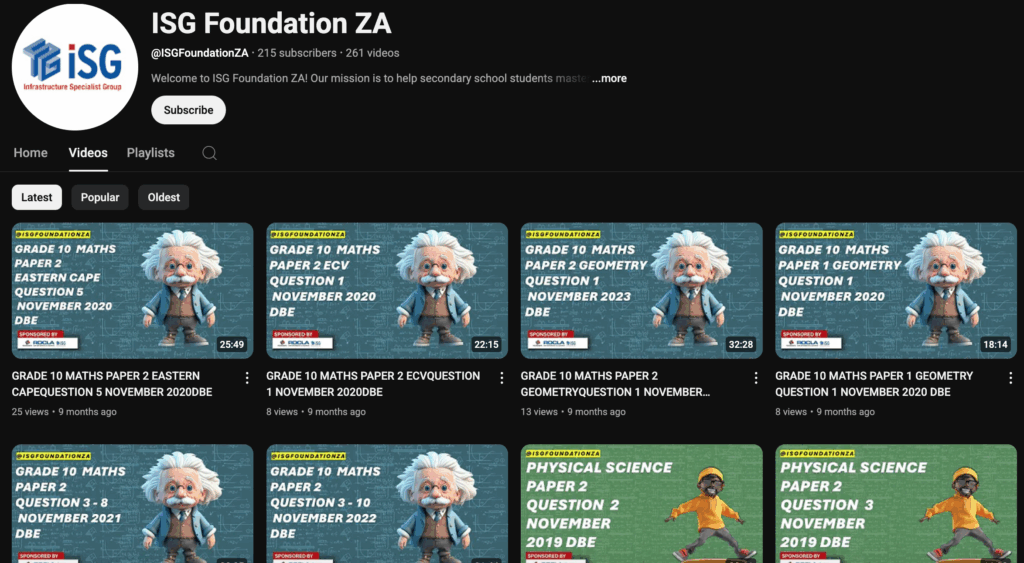
Empowering the Next Generation of Engineers: ISG Foundation ZA Launches Free Maths & Science Mastery Series
Expert Teachers from Gauteng’s Top Schools Demystify Past Papers and Key Concepts for South African…